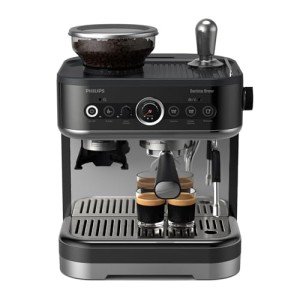
15 Great Documentaries About Steam Espresso Machines
The World of Pump Espresso Machines: A Comprehensive Guide
Espresso machines have become a staple in coffee culture, with numerous lovers and professionals looking for that best shot of espresso. Among various types of espresso machines, pump espresso machines are admired for their capability to produce rich, flavorful shots regularly. This post explores the inner functions of pump espresso machines, their advantages, disadvantages, and what to consider when purchasing one.
What is a Pump Espresso Machine?
Pump espresso machines utilize a motor-driven pump to create pressure, usually around 9 to 15 bars, necessary for brewing espresso. Unlike Retro Espresso Machines , which depend on user strength to create pressure, pump machines provide automated control over the developing procedure, making sure better precision and consistency.
Kinds Of Pump Espresso Machines
There are numerous types of pump espresso machines, each dealing with various users' needs:
Single-Group Machines:
- Ideal for home use or little cafes.
- Normally less costly.
- Offers one developing group for making espresso.
Double-Group Machines:
- Suitable for cafes with higher need.
- Can brew 2 shots of espresso all at once.
- More long lasting and complex parts.
Commercial Machines:
- Designed for high volume and continuous use.
- Equipped with numerous brewing groups.
- Features advanced temperature level management and automation.
Semi-Automatic Machines:
- Mix of manual control and machine automation.
- User controls the water circulation, permitting for experimentation and personalization.
Automatic Machines:
- User sets the shot volume, and the machine automatically stops when total.
- Offers convenience while preserving good quality.
Type
Best For
Pros
Cons
Single-Group
Home users, little cafes
Affordable, compact
Restricted in output
Double-Group
Medium to big cafes
High effectiveness
Higher expense and complexity
Commercial
High-volume coffee stores
Built for toughness
Pricey
Semi-Automatic
Coffee enthusiasts, home users
Control over process
Needs ability and practice
Automatic
Hectic cafes or workplaces
Convenience and consistency
Less control over the coffee
Advantages of Pump Espresso Machines
Investing in a pump espresso machine provides numerous advantages:
- Consistency: The machine's capability to preserve steady pressure and temperature outcomes in uniform shots of espresso that yield an abundant and tasty drink.
- Customization: Many pump machines use programmable settings, enabling users to change parameters like shot volume and pressure to produce individualized espresso.
- Toughness: Most pump espresso machines are developed with high-quality materials, guaranteeing they are long-lasting and reputable.
- Speed: Higher pressure lead to faster extraction times, making pump machines perfect for hectic environments.
Drawbacks of Pump Espresso Machines
While there are numerous benefits to pump espresso machines, some drawbacks should be acknowledged:
- Cost: Pump machines can be considerably more costly than other kinds of espresso machines, especially commercial-grade designs.
- Complexity: With more advanced technology comes a steeper knowing curve. Users may need extra training to run semi-automatic and automatic machines.
- Maintenance: Regular maintenance is essential to guarantee ideal performance, which can be lengthy and labor-intensive.
Key Features to Consider When Buying a Pump Espresso Machine
When searching for a pump espresso machine, specific functions need to be focused on to satisfy personal requirements and preferences:
Price:
- Establish a budget before starting to browse.
- Think about the cost of upkeep and needed accessories.
Size and Design:
- Ensure it fits within available cooking area space.
- Search for an attractive style that complements your kitchen decor.
Construct Quality:
- Investigate the materials used in building.
- Stainless-steel bodies and high-quality components typically suggest better sturdiness.
User Control:
- Decide just how much control over the developing process is desired.
- Semi-automatic options are more hands-on, whereas totally automatic machines need less user intervention.
Temperature Control:
- An excellent temperature control system is necessary for brewing espresso correctly.
- Search for machines with dual boilers or thermoblock systems for stability.
Wattage:
- Higher wattage machines warm up faster, which is vital for busy operations.
- Machines with around 1500 watts are ideal for the majority of home and commercial usages.
Common Brands of Pump Espresso Machines
- Breville: Known for user-friendly designs, terrific for home developing.
- Rancilio: Offers both commercial and home alternatives with excellent construct quality.
- La Marzocco: Premium machines favored in lots of commercial environments for their sturdiness and quality.
- Gaggia: Offers affordable options for those new to espresso making.
- De'Longhi: Versatile machines with a series of functions ideal for numerous budgets.
FAQs About Pump Espresso Machines
Q1: How do I maintain my pump espresso machine?
To keep your pump espresso machine in top shape, regularly tidy the brew group, descale every few months, and change water filters as needed. Always describe the producer's standards for specific upkeep procedures.
Q2: Is a pump espresso machine worth the financial investment?
If you are a coffee lover who values high-quality espresso and the experience of developing, a pump espresso machine can be a beneficial financial investment.
Q3: Can I make other coffee drinks with a pump espresso machine?
Yes, many pump espresso machines can brew different coffee beverages, including lattes, coffees, and americanos when coupled with a milk frother or steam wand.
Q4: What should I search for in an entry-level pump espresso machine?
For newbies, consider machines with a simple interface, built-in grinders, and a milk frothing accessory. Look for favorable user reviews on reliability and ease of use.
Q5: Are there particular beans I should use with a pump espresso machine?
For ideal outcomes, use fresh, high-quality espresso roast beans suited to espresso developing. Grind them right before brewing for the very best flavor profile.
Pump espresso machines have actually changed the way coffee enthusiasts brew their favorite drink, integrating quality, control, and consistency in one bundle. By comprehending the numerous types, functions, and maintenance requirements of these machines, buyers can make informed choices and find the perfect machine to fit their coffee needs. Whether for Sleek Espresso Machines or commercial purposes, a pump espresso machine is an investment that raises the coffee experience to new heights.